Essential Guide to Creating a Happy Home for Your Pet Bunny
Rabbits make wonderful companions, but they need more than just a cage and some food to thrive. These intelligent and social animals require thoughtful care, a safe and stimulating environment, and a balanced diet to stay healthy and happy. This guide covers everything you need to know to create a comfortable and enriching home for your pet bunny.
Housing and Setup
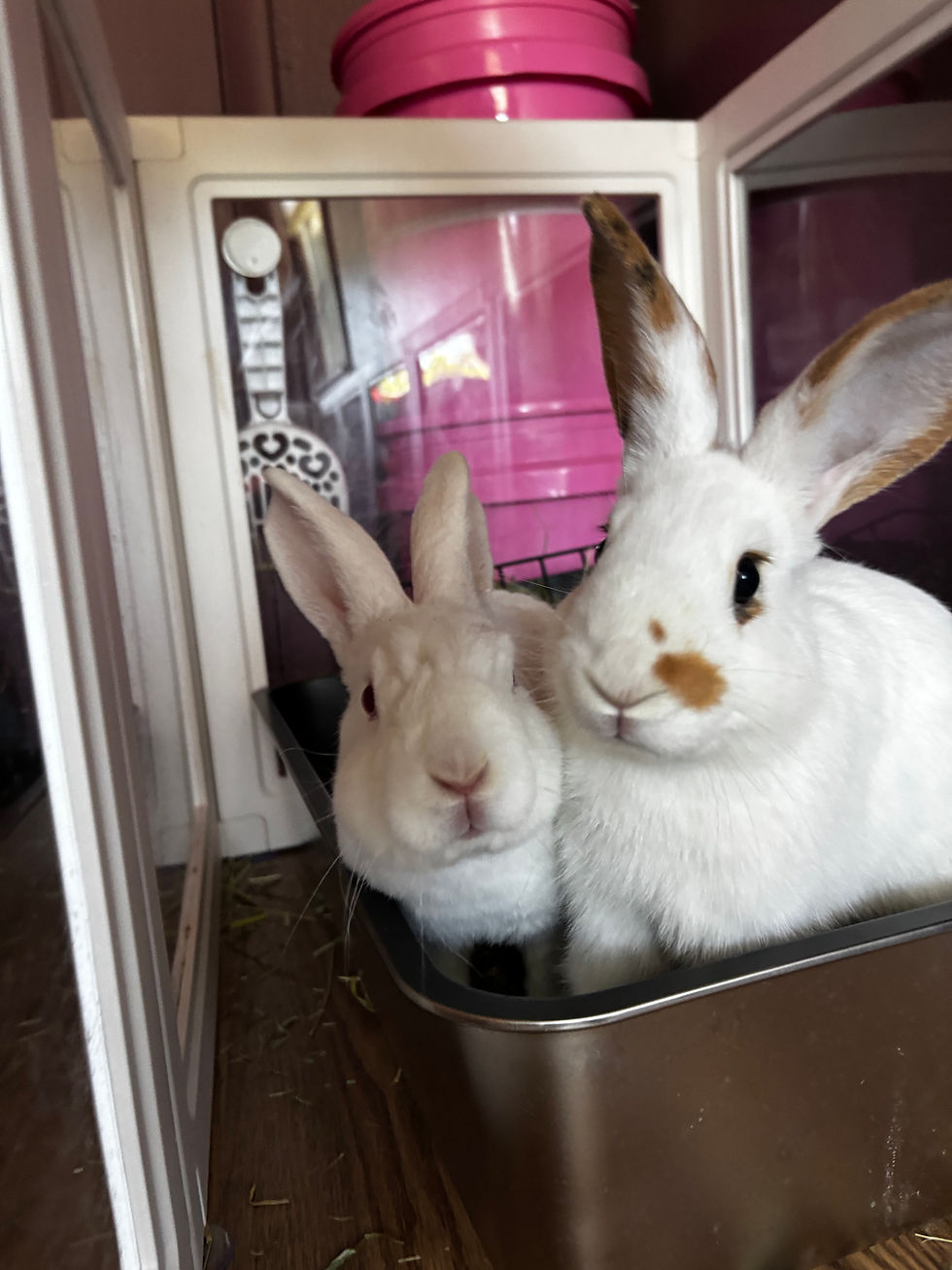
Rabbits should never be confined to small cages all day. They need space to move, stretch, and explore. The ideal setup includes a large enclosure, an exercise pen, or a bunny-proofed room where your rabbit can roam safely for several hours daily.
Your bunny’s living space should include:
Litter box: Helps keep the area clean and supports litter training.
Hay feeder: Constant access to hay is essential for digestion and dental health.
Food and water bowls: Use heavy bowls or water bottles to prevent spills.
Hideout: A small shelter where your rabbit can retreat and feel secure.
Toys: Chew toys, tunnels, and cardboard boxes provide mental stimulation.
Soft flooring: Rugs, fleece, or mats protect sensitive rabbit feet. Avoid wire flooring as it can cause painful sores.
Make sure the enclosure is in a quiet, temperature-controlled area away from direct sunlight and drafts.
Bunny-Proofing Your Home
Rabbits love to chew, which means your home needs protection to keep your bunny safe and your belongings intact. Common targets include electrical cords, furniture legs, baseboards, and houseplants.
To bunny-proof your space:
Cover or hide electrical cords using cord protectors or conduit tubing.
Use pet-safe furniture covers or barriers to protect wood and fabric.
Remove or relocate toxic plants such as lilies, azaleas, and ivy.
Provide plenty of safe chew toys like untreated wood blocks, willow sticks, and cardboard.
Create digging areas using boxes filled with shredded paper or soil to satisfy natural instincts.
This setup not only protects your home but also keeps your rabbit entertained and reduces destructive behavior.
Diet Essentials
Hay is the cornerstone of a healthy rabbit diet. It supports digestion and helps wear down continuously growing teeth. Offer unlimited amounts of good-quality hay such as timothy, orchard, or meadow hay.
Fresh greens add variety and nutrients. Safe options include:
Romaine lettuce
Cilantro
Parsley
Dandelion greens
Bok choy
Basil
Introduce new greens gradually and avoid iceberg lettuce or plants high in oxalates.
Pellets should be fed sparingly. Choose plain, high-quality rabbit pellets without colorful mixes or added seeds. Always provide fresh, clean water in a heavy bowl or water bottle.
Litter Training Your Rabbit
Most rabbits can learn to use a litter box, which makes cleaning easier and keeps their space tidy. Use paper-based litter or pine pellets, avoiding clay or clumping cat litter that can harm rabbits if ingested.
Place the litter box in a corner of the enclosure and add some hay nearby. Rabbits often eat while using the bathroom, so this encourages proper use.
Be patient and consistent. Reward your bunny with gentle praise or treats when they use the litter box correctly.
Grooming and Health Care
Regular grooming keeps your rabbit comfortable and healthy. Brush your bunny often, especially if it has long fur, to prevent mats and reduce shedding.
Trim nails every few weeks or as needed. Avoid bathing rabbits unless a vet advises it, as they can easily become stressed or chilled.
Rabbit teeth grow continuously, so chewing hay and safe toys is vital to prevent dental problems.
Watch for signs of illness such as:
Loss of appetite
Lethargy or unusual behavior
Small or missing droppings
Drooling or wetness around the mouth
Difficulty breathing
If your rabbit stops eating, it may have gastrointestinal stasis, a serious condition requiring immediate veterinary care.
Meeting Social and Emotional Needs
Rabbits are social creatures that thrive on interaction and enrichment. They enjoy gentle handling, nose rubs, and exploring new toys or tunnels.
Spend time daily playing and bonding with your bunny. Provide a variety of toys and safe spaces to explore to keep boredom at bay.
With proper care, rabbits can live 8 to 12 years, becoming affectionate and playful members of your family.
My Linktree and Resources
To help you get started, I’ve compiled all my favorite rabbit supplies, hutch plans, and photography gear in one place. Visit my Linktree here for easy access to trusted products and guides.

Comments