Beginner's Guide to Cozy Homesteading and Gardening
Homesteading is more than just a trend; it's a lifestyle choice that brings you closer to nature and fosters self-sufficiency. Whether you have a sprawling backyard or a small balcony, the principles of cozy homesteading and gardening can be adapted to fit your space. This guide will walk you through the essentials of creating a warm and inviting homestead, complete with practical gardening tips that will help you cultivate your own food and create a serene environment.
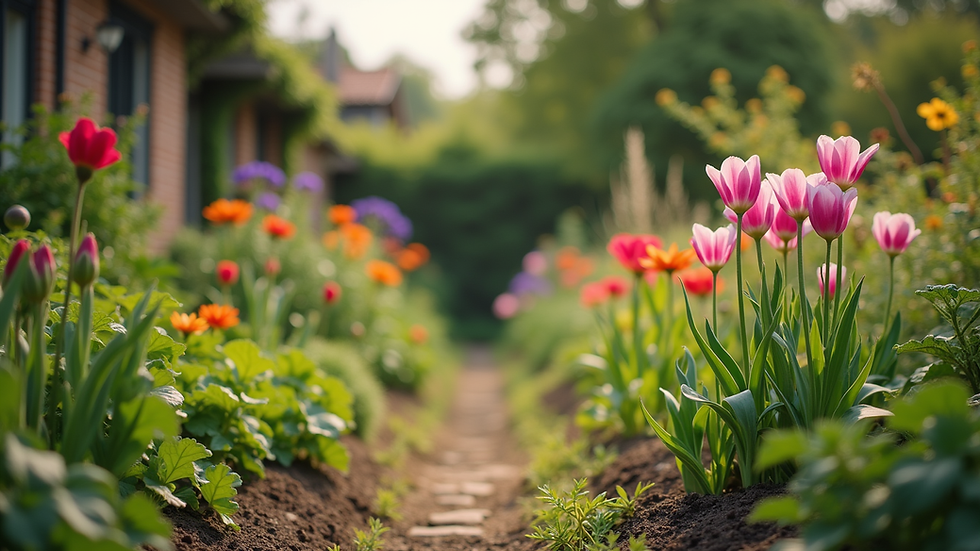
Understanding Homesteading
Homesteading is about living sustainably and making the most of your resources. It often involves growing your own food, raising animals, and learning skills that allow you to be more self-reliant. Here are some key aspects of homesteading:
Self-Sufficiency
At its core, homesteading is about becoming less dependent on commercial systems. This can include:
Growing Your Own Food: Start with a vegetable garden. Even a few pots on a balcony can yield fresh herbs and vegetables.
Preserving Food: Learn techniques like canning, drying, and fermenting to make the most of your harvest.
Raising Animals: If space allows, consider chickens for eggs or bees for honey.
Sustainability
Sustainable practices are essential for a successful homestead. This includes:
Composting: Turn kitchen scraps and yard waste into nutrient-rich compost for your garden.
Water Conservation: Implement rainwater harvesting systems or use drip irrigation to minimize water waste.
Natural Pest Control: Use companion planting and beneficial insects to manage pests without chemicals.
Starting Your Garden
Creating a garden can seem daunting, but with a few simple steps, you can cultivate a thriving space. Here’s how to get started:
Choosing the Right Location
Select a spot that receives at least 6-8 hours of sunlight daily. Consider the following:
Accessibility: Make sure your garden is easy to reach for regular maintenance.
Soil Quality: Test your soil to understand its pH and nutrient levels. You can improve poor soil with organic matter.
Planning Your Garden Layout
A well-planned garden layout can maximize your space and yield. Here are some tips:
Raised Beds: These can improve drainage and soil quality. They also make gardening easier on your back.
Vertical Gardening: Use trellises or vertical planters to save space and increase your yield.
Companion Planting: Certain plants can benefit each other when grown together. For example, tomatoes and basil thrive side by side.
Selecting Plants
Choose plants that suit your climate and your culinary preferences. Here are some beginner-friendly options:
Herbs: Basil, parsley, and mint are easy to grow and can enhance your meals.
Vegetables: Start with fast-growing varieties like radishes, lettuce, and zucchini.
Flowers: Marigolds can deter pests and add beauty to your garden.
Creating a Cozy Homestead Environment
A cozy homestead is not just about growing food; it’s also about creating a welcoming atmosphere. Here are some ideas to enhance your space:
Outdoor Spaces
Transform your outdoor areas into inviting retreats:
Seating Areas: Add comfortable seating with cushions and blankets for relaxation.
Fire Pits: A fire pit can be a great gathering spot for family and friends.
Decorative Elements: Use garden art, fairy lights, or wind chimes to add charm.
Indoor Spaces
Your indoor environment should reflect the cozy homesteading spirit:
Natural Materials: Use wood, stone, and other natural materials in your decor.
Indoor Plants: Bring the outdoors in with houseplants that purify the air and add life to your home.
Warm Lighting: Soft lighting can create a welcoming atmosphere, especially in the evenings.
Seasonal Gardening Tips
Gardening is a year-round endeavor. Here are some seasonal tips to keep your garden thriving:
Spring
Start Seeds Indoors: Begin your seedlings indoors to get a head start on the growing season.
Prepare Soil: Amend your soil with compost and organic fertilizers.
Summer
Water Wisely: Water early in the morning or late in the evening to reduce evaporation.
Mulch: Apply mulch to retain moisture and suppress weeds.
Fall
Harvest Time: Gather your crops and prepare for winter.
Plant Cover Crops: These can improve soil health during the off-season.
Winter
Plan for Next Year: Use this time to research new plants and techniques for your garden.
Indoor Gardening: Consider growing herbs or microgreens indoors.
Building Community
Homesteading can be a solitary endeavor, but building a community can enhance your experience. Here are ways to connect with others:
Local Gardening Clubs
Join a local gardening club to share tips, seeds, and experiences. This can also be a great way to meet like-minded individuals.
Workshops and Classes
Look for workshops on topics like canning, permaculture, or organic gardening. These can provide valuable skills and knowledge.
Online Communities
Engage with online forums and social media groups focused on homesteading and gardening. These platforms can offer support and inspiration.
Conclusion
Cozy homesteading and gardening are rewarding pursuits that can enrich your life. By embracing self-sufficiency, sustainability, and community, you can create a thriving homestead that reflects your values and lifestyle. Start small, be patient, and enjoy the journey of growing your own food and cultivating a warm, inviting home.
As you embark on this journey, remember that every small step counts. Whether you’re planting your first seeds or building a cozy outdoor space, you’re contributing to a more sustainable and fulfilling life. Happy gardening!


Comments