Essential Steps for Planting and Maintaining a Thriving Blackberry Bush
Blackberries are a rewarding fruit to grow at home. They offer delicious berries that can be enjoyed fresh, baked into desserts, or preserved for later use. Growing a blackberry bush requires some planning and care, but the results are well worth the effort. This guide walks you through the key steps to plant a blackberry bush successfully and maintain it so it thrives year after year.
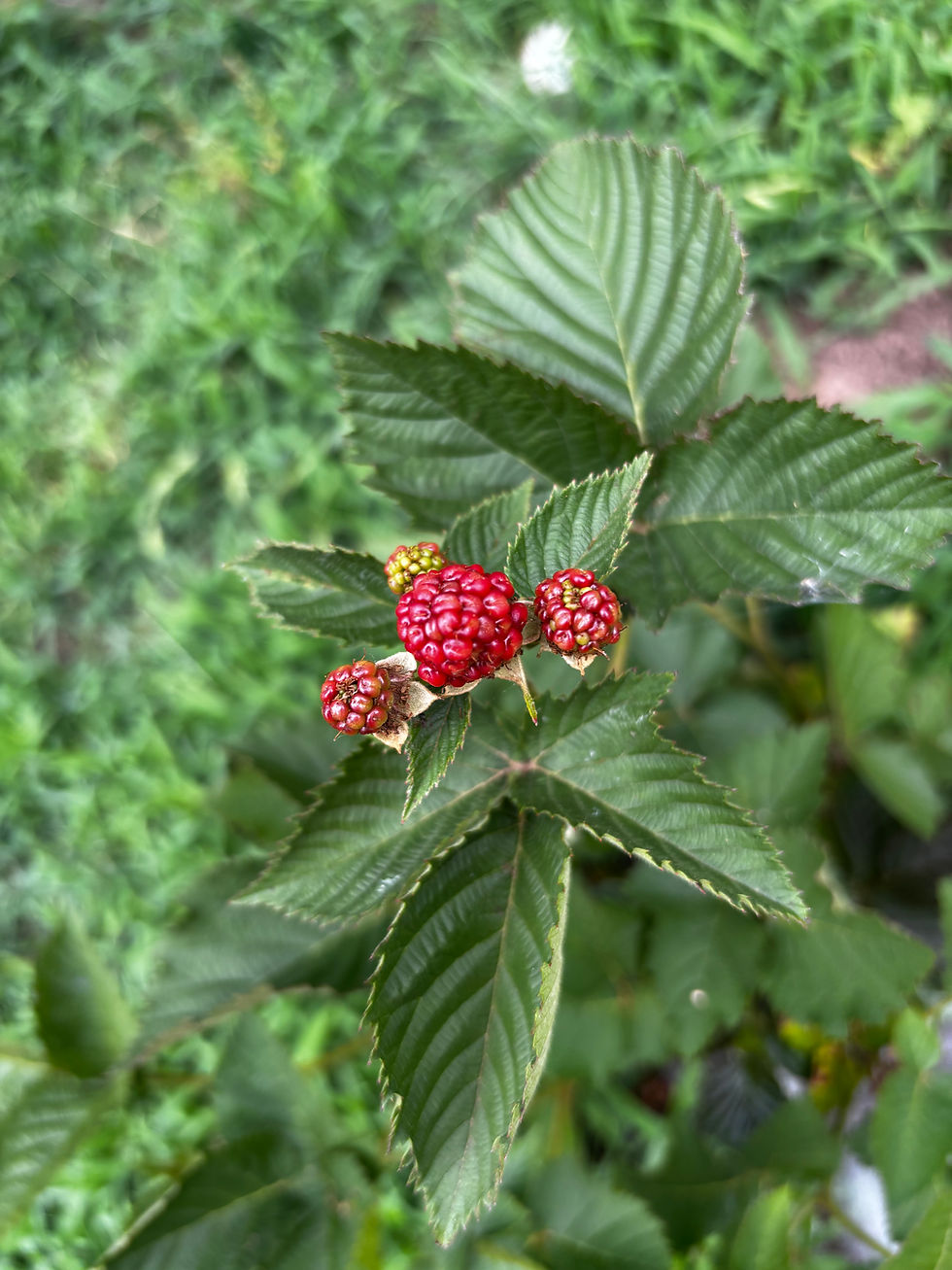
Choosing the Right Location and Variety
The first step to a strong blackberry bush is selecting the right spot and plant variety. Blackberries need plenty of sunlight to produce sweet fruit, so pick a location that receives at least six hours of direct sun daily. The soil should drain well to prevent root rot but retain enough moisture to keep the plant hydrated.
When choosing a variety, consider your climate and space. Some blackberry types grow as erect bushes, while others spread along the ground or require trellising. For example:
Erect varieties like ‘Apache’ or ‘Navaho’ grow upright and need less support.
Trailing varieties such as ‘Marion’ require a trellis or fence to climb.
Semi-erect varieties combine traits of both and may need some support.
Local nurseries or extension services can recommend varieties suited to your region.
Preparing the Soil for Planting
Healthy soil is the foundation of a strong blackberry bush. Before planting, test your soil’s pH; blackberries prefer a slightly acidic range between 5.5 and 6.5. If needed, amend the soil with sulfur to lower pH or lime to raise it.
Improve soil fertility by mixing in organic matter like compost or well-rotted manure. This boosts nutrients and improves soil texture. Avoid heavy clay or sandy soils unless amended extensively.
Clear the planting area of weeds and debris. Loosen the soil to a depth of about 12 inches to encourage root growth.
Planting Your Blackberry Bush
Plant blackberries in early spring or late fall when the plant is dormant. Follow these steps for best results:
Dig a hole twice as wide and as deep as the root ball.
Place the plant in the hole so the roots spread out naturally.
Set the crown (where roots meet stems) about 1 to 2 inches below soil level.
Backfill with soil, firming gently to remove air pockets.
Water thoroughly to settle the soil around roots.
Space plants 3 to 5 feet apart depending on the variety to allow room for growth and airflow.
Establishing a Strong Blackberry Bush
After planting, focus on helping your blackberry bush establish a strong root system and healthy canes.
Water consistently during the first growing season, especially in dry spells. Blackberries need about 1 to 2 inches of water per week.
Mulch around the base with straw, wood chips, or leaves to retain moisture, suppress weeds, and regulate soil temperature.
Prune lightly in the first year to remove weak or damaged canes. This encourages the plant to focus energy on root development.
Fertilize carefully using a balanced fertilizer in early spring and again after harvest. Avoid over-fertilizing, which can cause excessive leafy growth at the expense of fruit.
Pruning and Training for Productivity
Proper pruning is essential to keep blackberry bushes productive and manageable.
In late winter or early spring, remove any dead, diseased, or damaged canes.
For erect varieties, cut back lateral branches to about 12 to 18 inches after harvest to encourage new fruiting shoots.
Trailing varieties need to be tied to a trellis and pruned to remove old canes that have fruited.
Thin out crowded canes to improve air circulation and reduce disease risk.
Regular pruning helps the plant focus energy on producing quality fruit and prevents it from becoming overgrown.
Managing Pests and Diseases
Blackberries can face challenges from pests and diseases, but many problems can be prevented with good care.
Keep the area around plants clean and free of fallen fruit or leaves.
Monitor for common pests like aphids, spider mites, and Japanese beetles. Use insecticidal soap or neem oil if infestations occur.
Watch for signs of fungal diseases such as powdery mildew or cane blight. Proper pruning and spacing reduce humidity and disease risk.
Consider planting disease-resistant varieties if available.
Early detection and prompt action keep your blackberry bush healthy and productive.
Harvesting and Enjoying Your Blackberries
Blackberries are ready to harvest when they turn fully black, plump, and come off the stem easily. Picking in the morning after the dew dries helps preserve berry quality.
Gently pick berries to avoid crushing.
Harvest every few days during peak season to encourage continuous fruiting.
Use fresh berries quickly or store them in the refrigerator for up to a week.
Freeze or preserve excess berries for use throughout the year.
Enjoying the fruits of your labor is the best reward for careful planting and maintenance.
Preparing Your Blackberry Bush for Winter
Before winter arrives, prepare your blackberry bush to survive cold temperatures.
Remove any remaining fruit and clean up fallen leaves.
Apply a thick layer of mulch around the base to protect roots from freezing.
For trailing varieties, prune and tie canes securely to prevent wind damage.
In colder climates, consider covering plants with burlap or row covers.
Proper winter care ensures your blackberry bush returns healthy and ready for the next growing season.
My Linktree and Resources
To help you get started, I’ve compiled all my favorite gardening supplies and resources in one place. Visit my Linktree here for easy access to trusted products and guides.

Comments